

The origins of Victoria Road
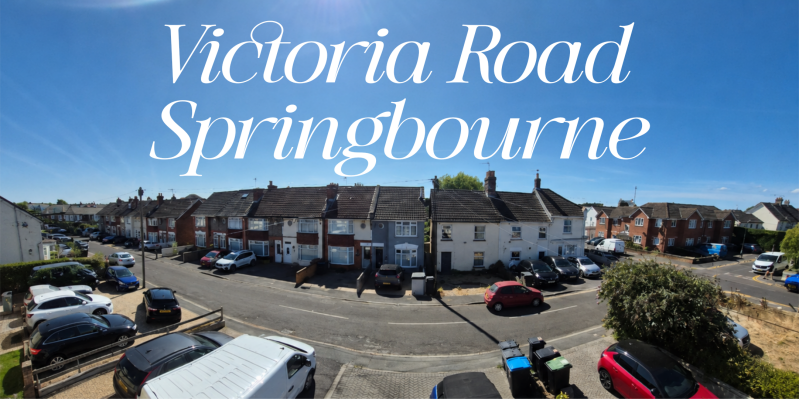
Victoria Road in Springbourne (BH1) stands as one of the suburb's oldest thoroughfares, its presence noted in records as early as the 1871 census. Originally considered part of Boscombe Heath, the area underwent significant development during the mid-to-late Victorian era. It was intentionally shaped into a village to accommodate the skilled artisans and craftsmen who were instrumental in constructing Bournemouth, a seaside resort that was rapidly expanding at the time.
Victoria Road: A historic artery of Springbourne
Step back in time and explore Victoria Road, a central part of Springbourne's past. Discover its origins, its role in Bournemouth's growth, and the stories embedded in its very foundations.
Housing the working class
Due to its establishment with the explicit purpose of housing the working class, a significant portion of Victoria Road's original housing stock comprised tightly packed Victorian cottages. The street, and indeed the entire area, experienced a period of rapid expansion that coincided with the arrival of the eastern railway connection in the 19th century. This influx of activity and new residents saw its total population dramatically increase from 800 to nearly 1,800 residents between 1871 and 1881, fundamentally transforming the landscape of Springbourne.

A journey through time
Victoria Road is more than just a street; it's a testament to Springbourne's industrious past and the rapid development of Bournemouth. Explore how this historic thoroughfare has evolved, reflecting the changing times and the enduring spirit of its community.
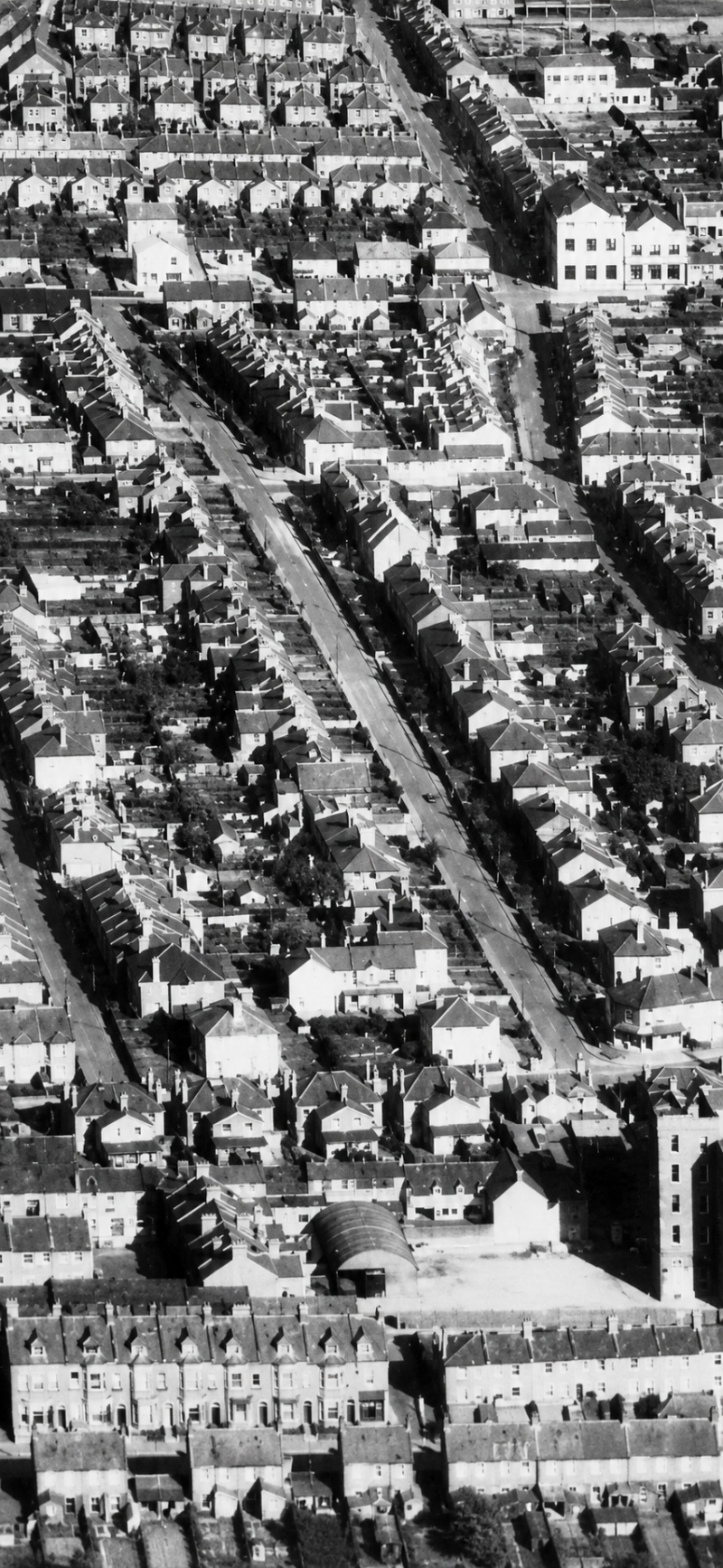
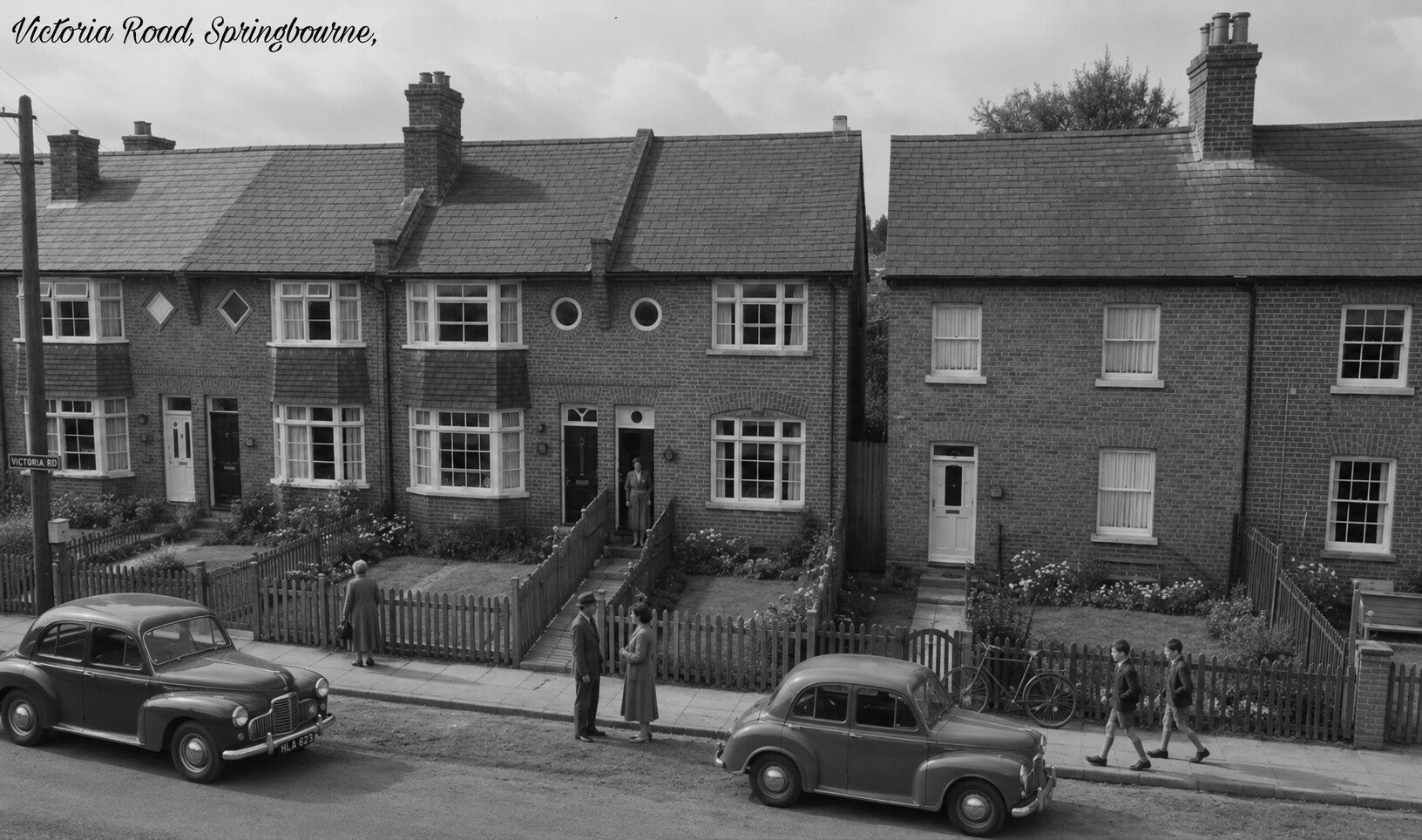
Victoria Road Springbourne 1924


The local store.
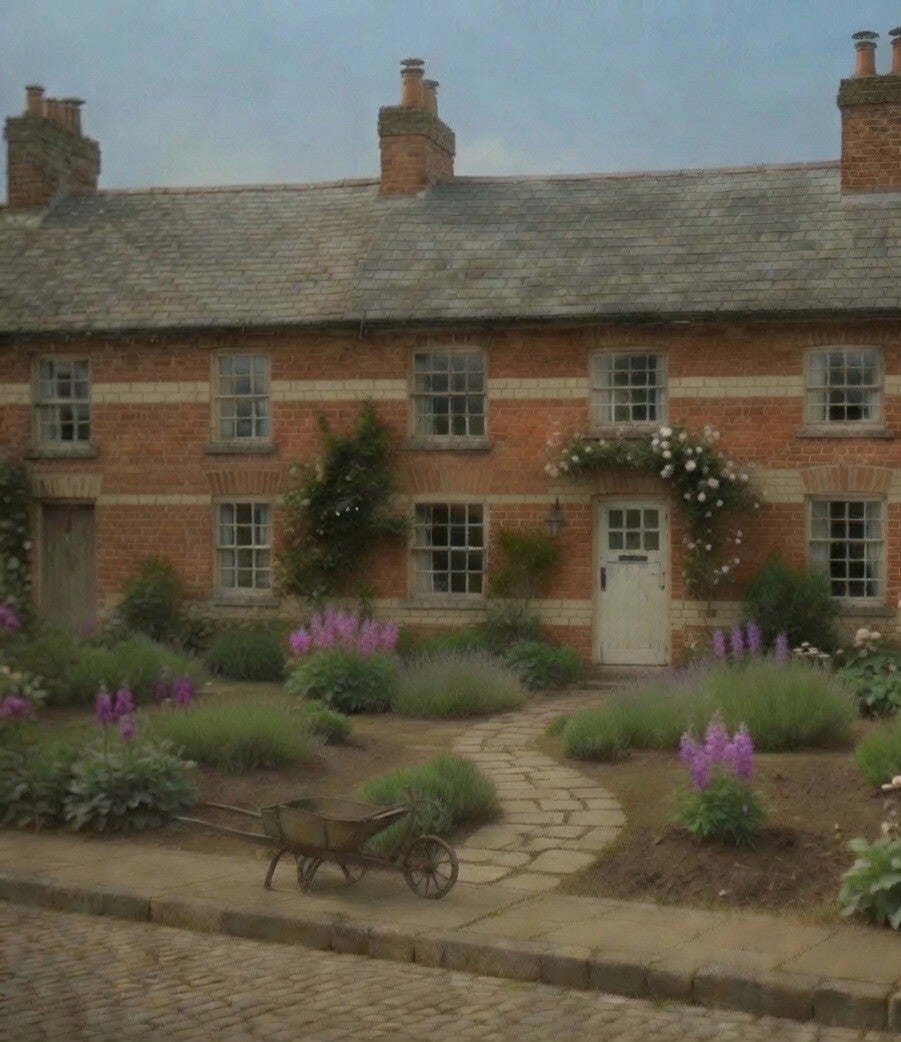
This is what the store on the corner of Victoria Road might of looked like in the early 1900s. (AI)
In 1904 the store was sold and the advert reads : PROPERTY,
known as 82, 84, VICTORIA ROAD, SPRINGBOURNE.
Part of which has been many years in the occupation of Mr. Robert Treacher, grocer and pork butcher. The premises are brick-built and slated, and consist of No. 82, a double shop, with store and capital cellar, also dwelling house and extensive range of corrugated iron-covered outbuildings at the rear.
Estimated rental value of the foregoing, 25s per week, together with the adjoining house, No. 84, in the occupation of Mrs. Bowles, at the low rental of 6s per week.
The Auctioneers would call the attention of grocers and provision merchants to this valuable property in the midst of a large artisan population, where for many years a lucrative trade has been carried on.
Like many home-based shops in the area, it likely phased out of commercial use by the mid-to-late 20th century. At this point, the ground floor storefront was structurally converted back into a standard front window and lounge area.
Below is what 84 and 86 looks like now.
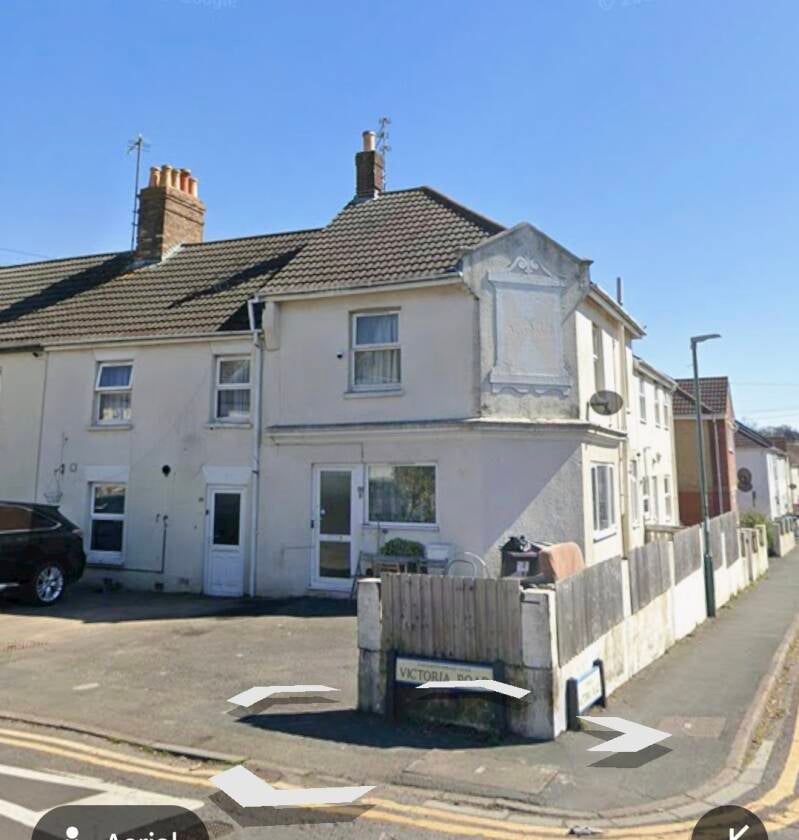
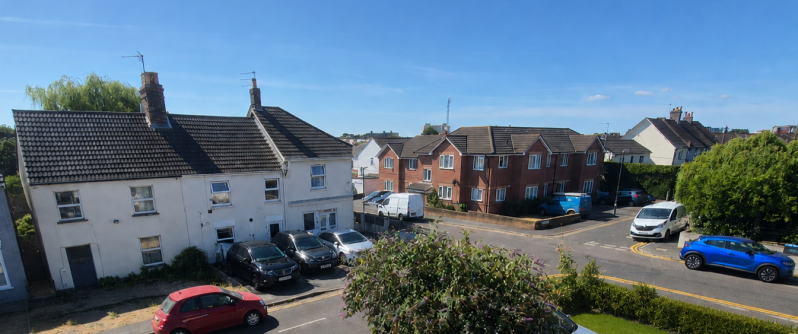
The Garment Trade: The 1871 and 1881 censuses show that nearly half of Springbourne’s skilled artisans were involved in clothing. Victoria Road was home to self-employed dressmakers, tailors, and bootmakers.

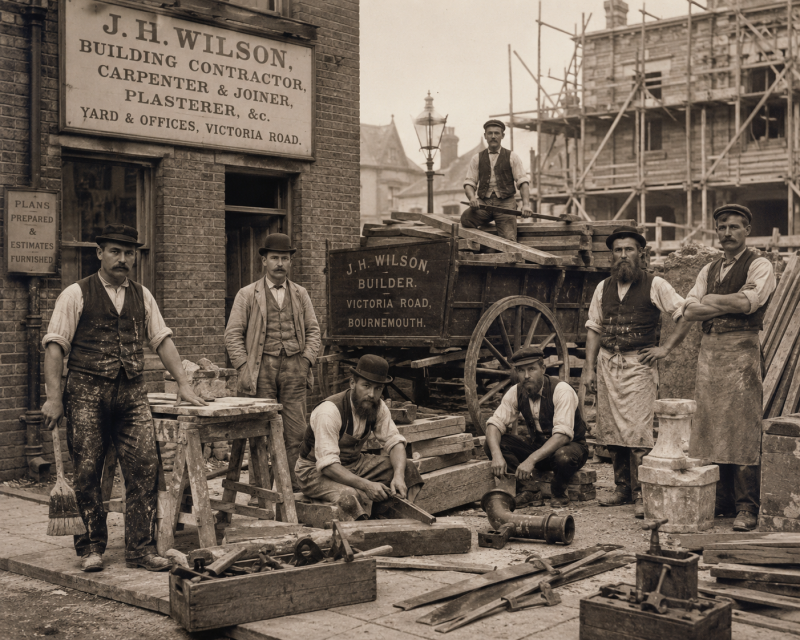
Building Contractors: A massive portion of the road's early commerce revolved around independent construction trades. Carpenters, plasterers, painters, plumbers, and gas fitters used their Victoria Road properties as operational bases and yards while building the grand hotels of Bournemouth's East Cliff.
Local Food Production: Rather than large grocers, the street featured small-scale independent bakers, local brewers, and micro-retailers catering strictly to the immediate neighborhood.
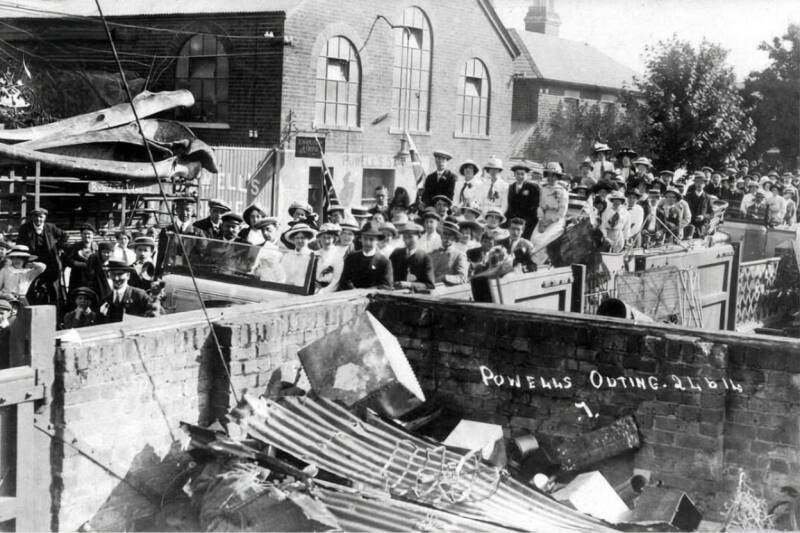
Heavy Industrial Yards: C.W. Powell (Early 1900s)
By the turn of the 20th century, Victoria Road became home to more substantial commercial footprints, most notably C.W. Powell’s Marine Store and Scrap Yard. (Now Elizabeth Gardens)
The Powell's Scrap Yard Mine Explosion (13 October 1940)
One of the most dramatic and tragic accidents in Springbourne occurred directly on Victoria Road during the nationwide drive for scrap metal.
The Weapon: A massive, naval sea mine built by the Germans in 1916 had washed ashore at Mudeford in 1917. It had sat safely as a seaside curiosity for decades until it was collected to be melted down for the war effort.
The Disaster: The mine was brought to Powell’s Scrap Yard, which operated directly on Victoria Road. Believed to be entirely hollow and dormant, a local worker named Mr F.E. Trim began using an oxy-acetylene torch to cut it up for salvage.
The Blast: The heat detonated a pocket of ancient explosive residue inside. “...Mr. F.E. Trim was killed when another First World War mine exploded as he was cutting it up at Powell's Scrap Yard in Victoria Road, Springbourne.”, The catastrophic blast blew out windows across the street and shook the foundations of the nearby cottages.
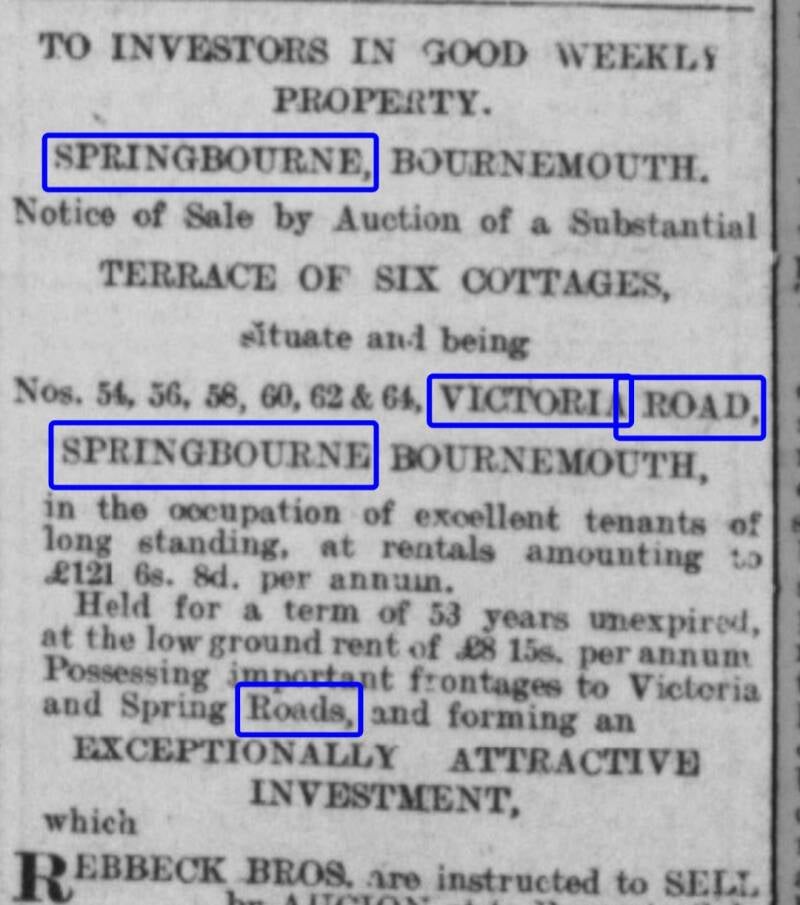
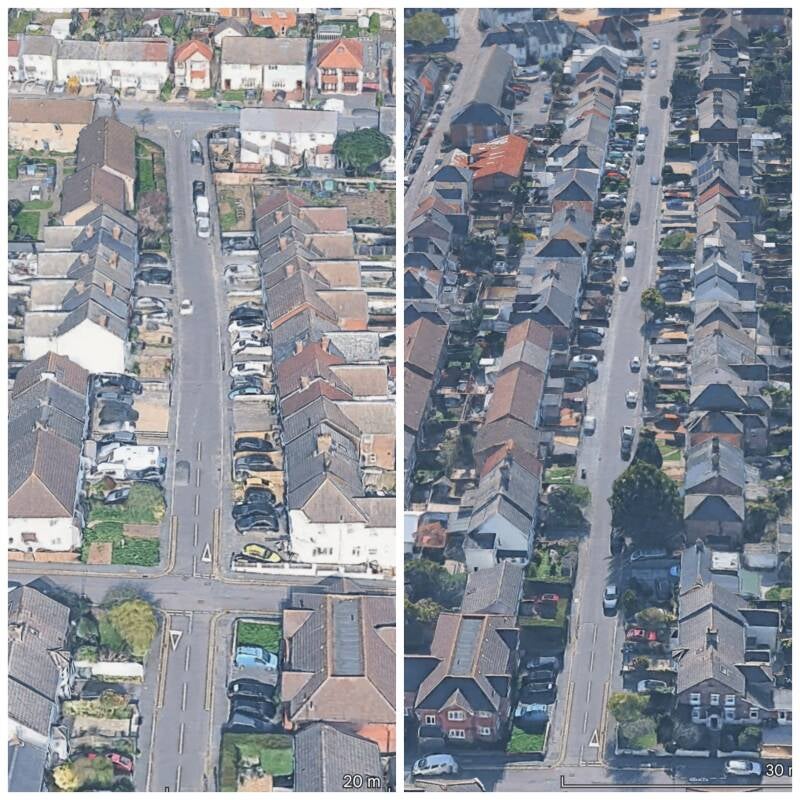
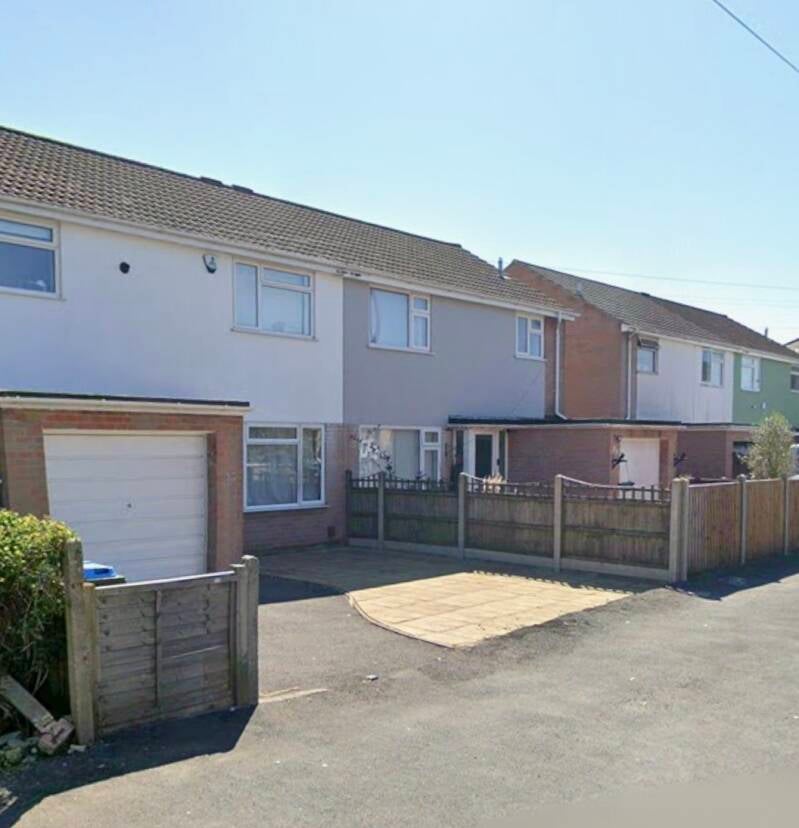
In 1911 a row of six cottages 54, 56, 58, 60, 62, 64 were sold together. They have since been knocked down and newer houses built sometime between 1950 and 1966. Shown in the picture below.
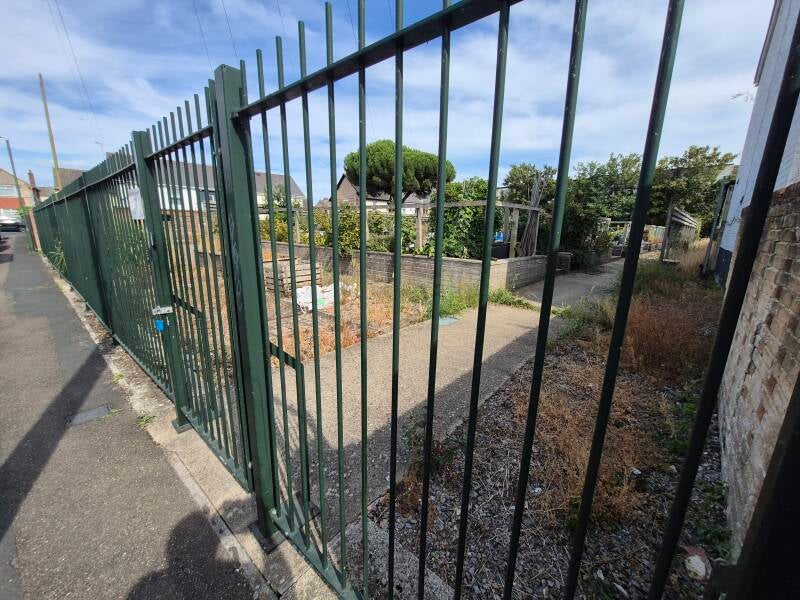
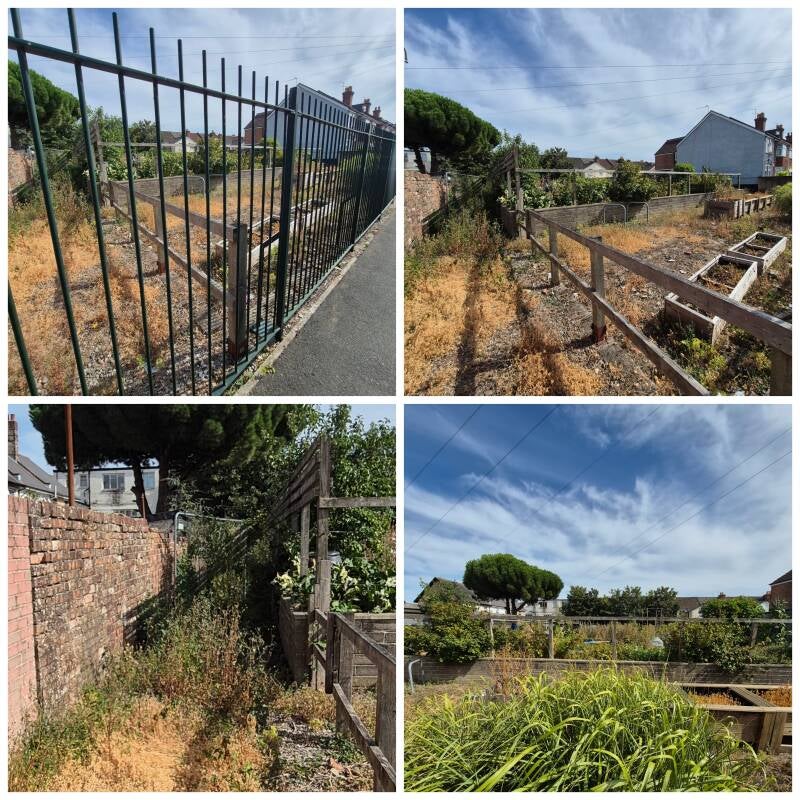
There is no public record of a dedicated children's playground directly on Victoria Road. However, on the site of Powell's Scrap Yard Elizabeth Gardens was once home to a children's play area. Following a dispute between a resident and the council over an unsafe wall, the play area and gardens were closed.
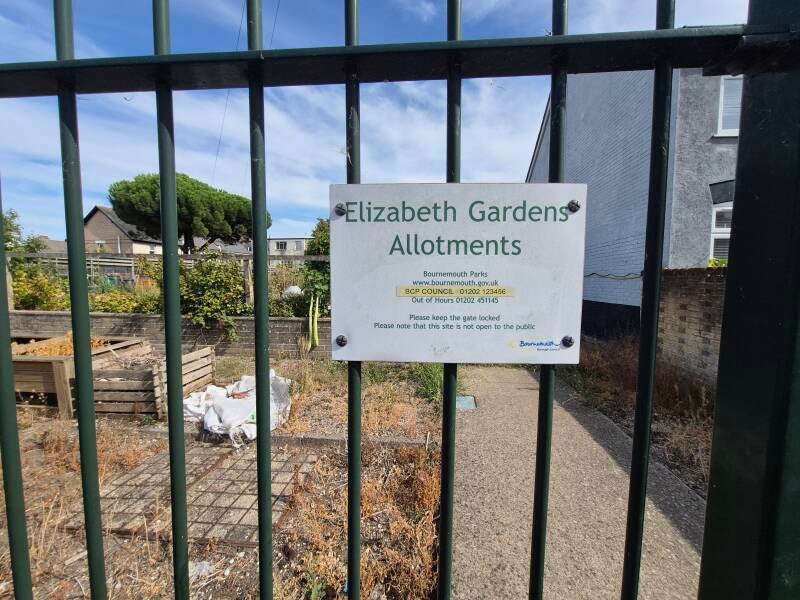
In November 2011, Bournemouth Borough Council proposed a £50,000 scheme to revitalise a neglected plot of land tucked away at Elizabeth Gardens, just off Victoria Road.
Opening: The site was constructed and officially opened to the public in 2012 to help address long council waiting lists and provide local food-growing spaces.
Layout: The site is a compact mini-allotment featuring eight plots in total. Seven of these are raised timber beds, while one was specifically designed to be fully accessible for residents with mobility issues.
The project was delayed because the ground was found to be contaminated probablyfrom its days as a scrap yard, which is why raised beds were used.
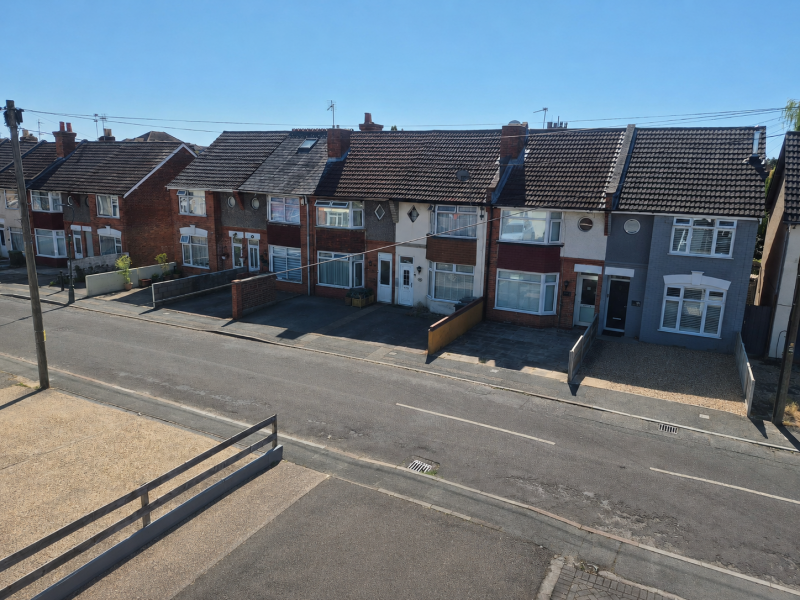
By the turn of the 20th century, the block containing numbers 90, 92, 94, 96, 98 and 100 Victoria Road had evolved from standard housing into small, family-run high street shops.
Local burial and business registers from the Radnor Street Cemetery Archive highlight the exact businesses operating on this footprint:
No. 90 Victoria Road (The Millinery) Run by Amelia Ann Alley and her sister Ethel, this property operated as a local milliner's business (hatmaker).
No. 92 Victoria Road (The Drapery)Right next door, Amelia’s sister Eva and her husband George Babington ran a successful draper's shop selling clothing and textiles.
The reason number 90, 92, 94, 96, 98 and 100 stand today as a 1950s mid-century infill property rather than a traditional 1880s Victorian build like much of the street is tied directly to World War II.
Bournemouth was heavily targeted by the German Luftwaffe between 1940 and 1944. On 23 May 1943 Bournemouth suffered its most devastating "Tip and Run" aerial assault, which leveled over 50 buildings in the town. According to historical Air Raid Precautions (ARP) bomb tracking maps held by the Dorset History Centre, several properties in the Springbourne and Boscombe residential pockets were severely damaged or entirely cleared due to bomb impacts and subsequent fire damage.
The destruction of the original Victorian structure at that block cleared the plot, leaving an empty space that was ultimately redeveloped into the current homes during the post-war rebuilding era.
Create Your Own Website With Webador