

The origins of Springbourne
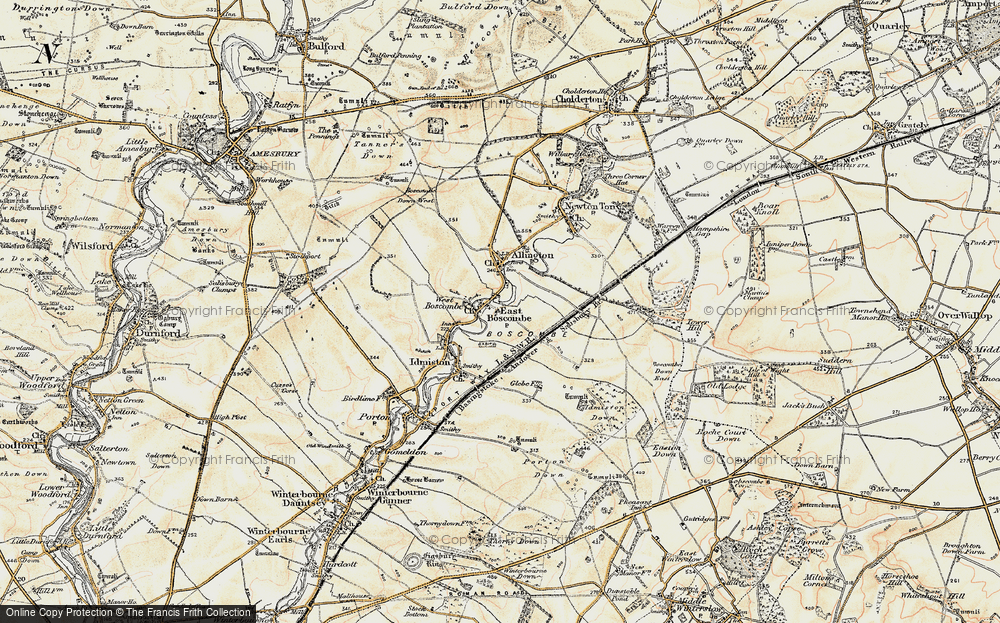
From barren heathland to bustling resort
In 1800, Bournemouth was largely an uninhabited, barren heathland, primarily used by turf cutters and smugglers landing contraband. The significant transformation began in 1810 when retired army officer Lewis Tregonwell purchased 8.5 acres and built a summer residence. By the century's end, Bournemouth had boomed into a bustling Victorian resort, attracting visitors and residents alike.
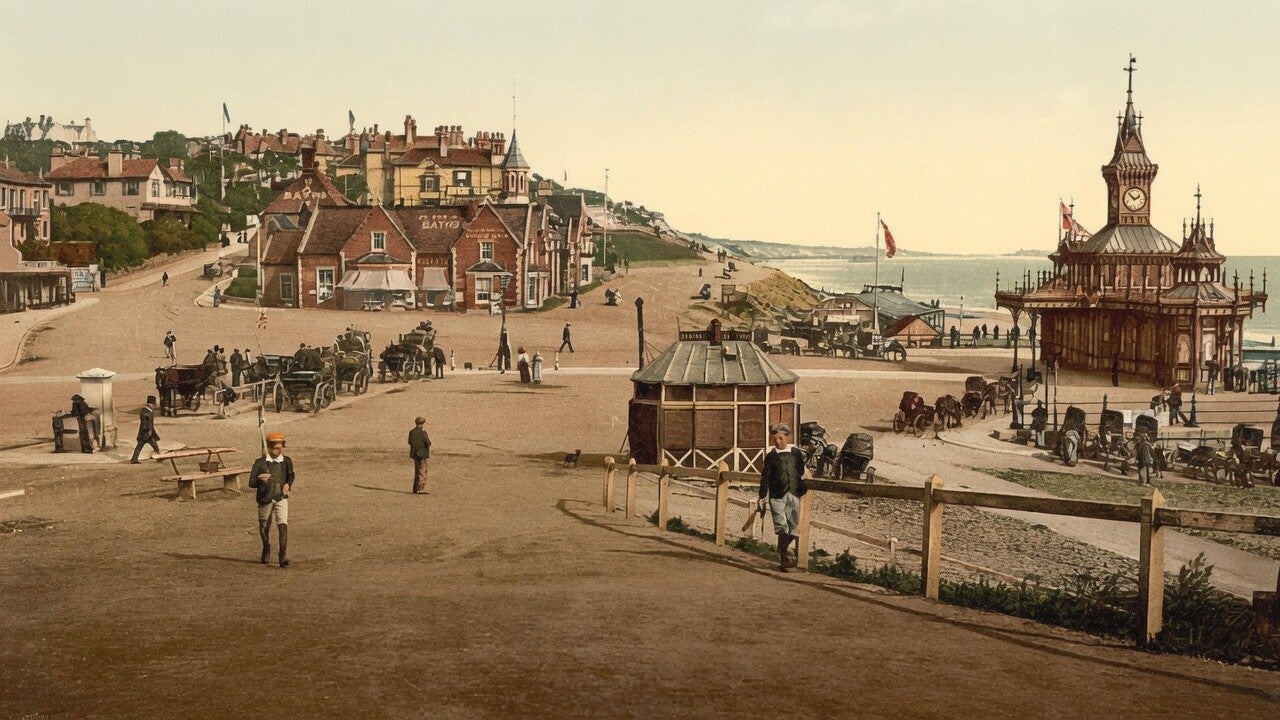
The rise of Springbourne: A working-class enclave
The original workman's cottages, built in 1865, marked the genesis of Springbourne as Bournemouth's first dedicated working-class enclave. The name Springbourne comes from a natural spring that rose near the end of Spring Road. The stream flowed underground towards Boscombe Chine and eventually into the sea.
Bournemouth famously gained its first gas street lighting in 1864 and its first piped water supply in 1866. The workmen building these vital utilities needed local housing, leading to the establishment of these essential homes and the birth of Springbourne.
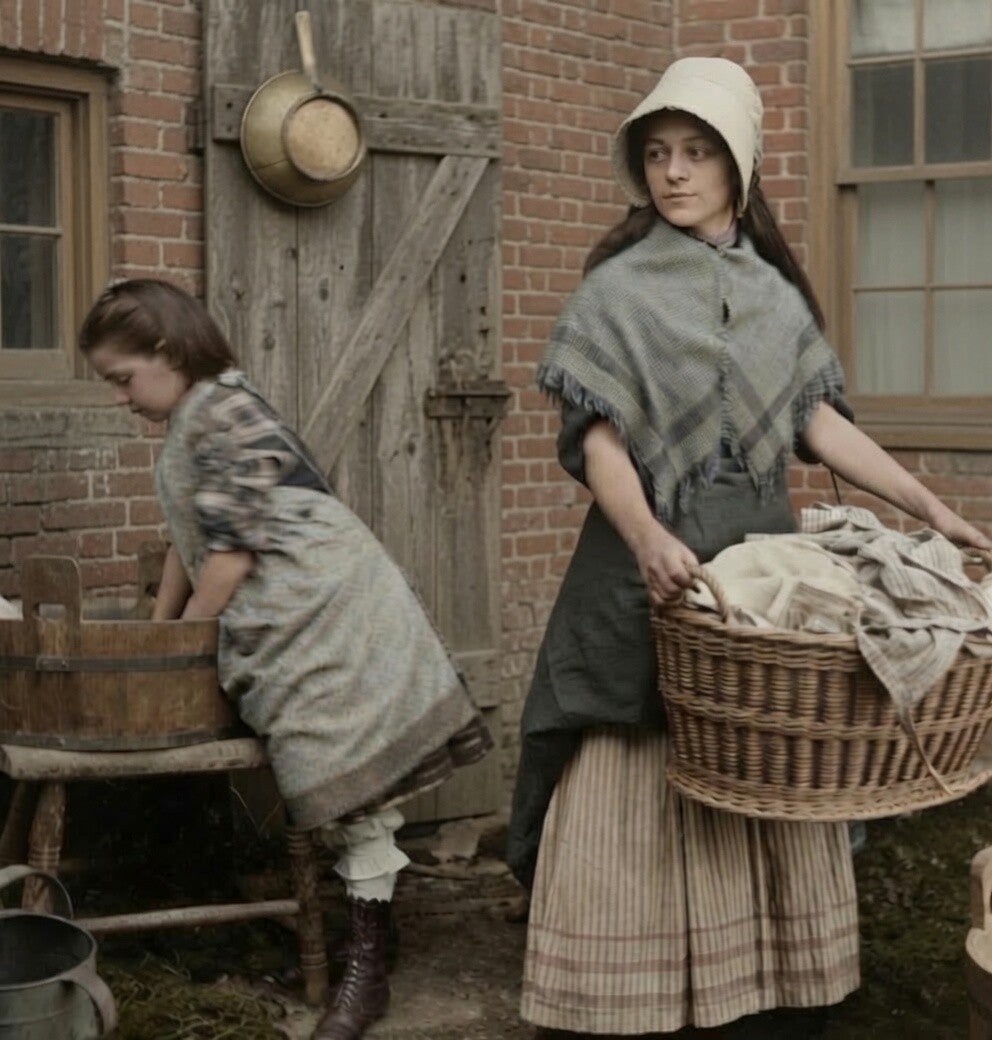
A community of skilled hands
From its beginning, Springbourne’s employed population consisted predominantly of working people. In 1871, over half worked at unskilled jobs: labouring, laundry, and domestic service. Many women found employment in the nearby steam laundry. About a third worked as artisans or in construction. These artisans included bakers, shoemakers, beer brewers, saddle makers, and dressmakers. Carpenters, painters, brick-makers, bricklayers, plumbers (and a few gas fitters), masons, and plasterers formed the backbone of the building sector, with carpenters and bricklayers being the most numerous. Almost half the artisans were involved in clothing, such as dressmakers and tailors, with many also making boots.
The 19th-Century Steam Laundry Boom
In the late 1800s, Springbourne was the industrial powerhouse keeping Bournemouth’s luxury hotels pristine. The area became the town's major hub for commercial steam laundries. According to the 1881 census data, over half of Springbourne's workforce held unskilled roles, and an incredibly high percentage of local women were employed explicitly by these heavy steam laundries to handle the massive volumes of hotel linens.
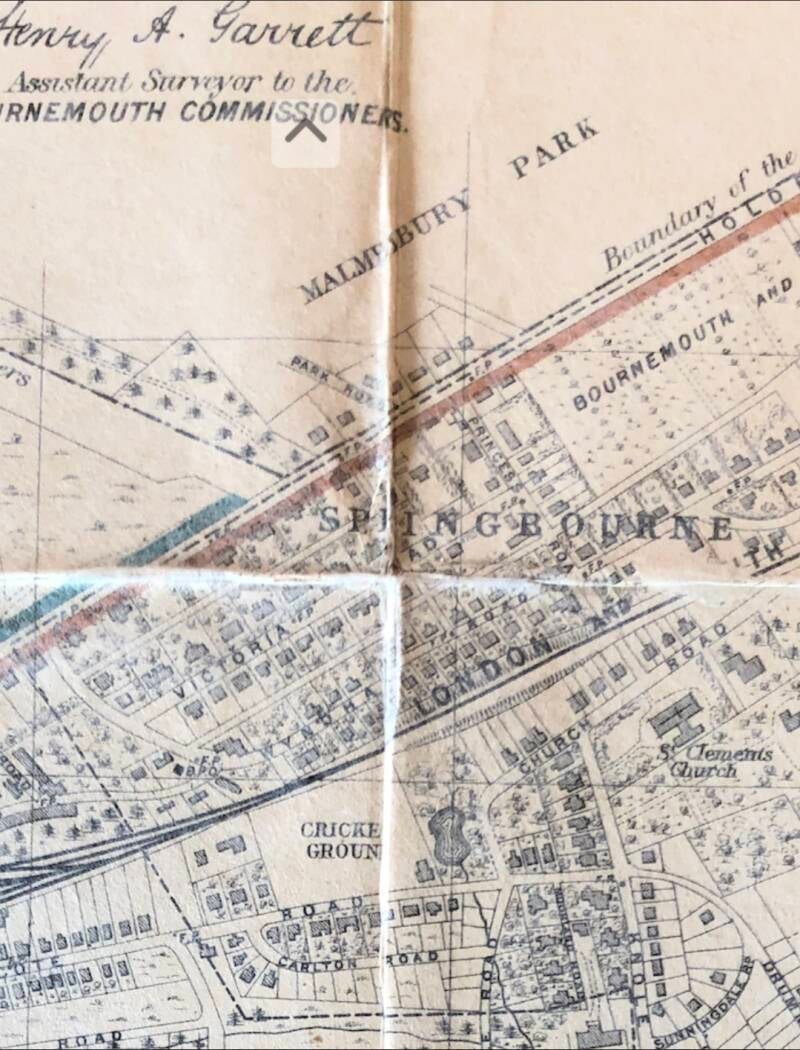
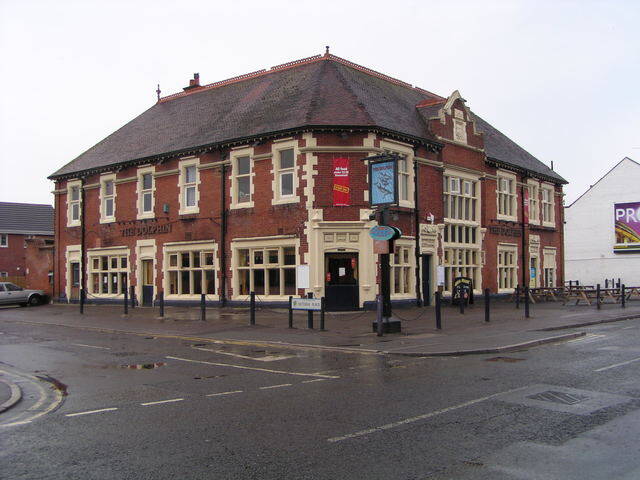
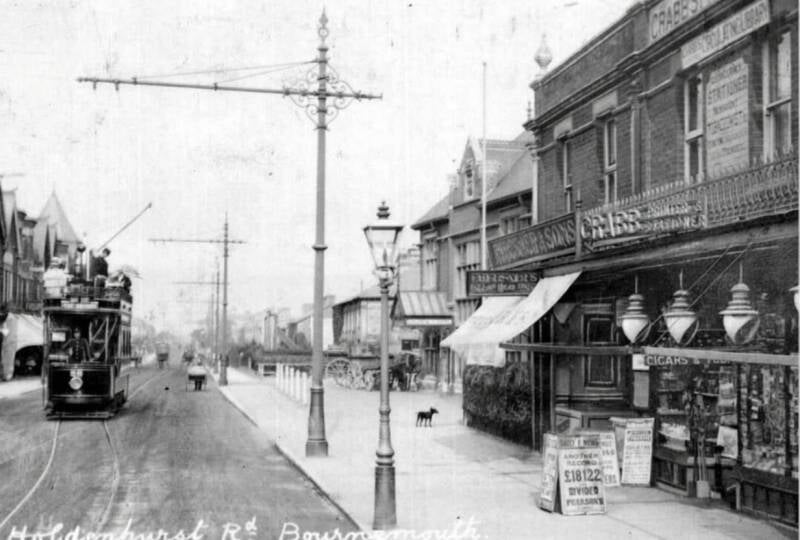
The Dolphin pub in Springbourne (located at 316 Holdenhurst Road) was built in 1885. It is noted on the building's front gable. The former watering hole has since been repurposed and currently operates as a Tesco Express.
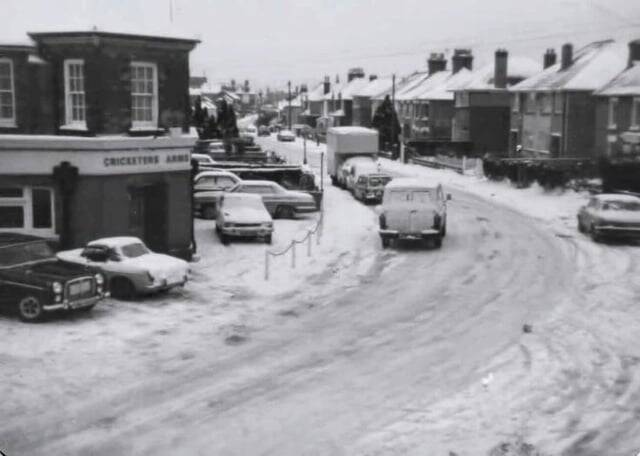
The Cricketers Arms (1867) in Windham Road is one of the oldest pubs in Bournemouth. Originally known as The Cricketers Hotel, it was named after the cricket ground that once existed on land opposite, now the site of the Bournemouth Council depot adjoining the railway line and Southcote Road.
The pub's original stables and coach house are still standing and heritage experts reckon the front of the pub was extended a short distance around 1910. The stained glass windows and the bar are thought to date from the same time and, according to stories handed down by regulars, the bar was taken from a cruise ship.

A section of what Victoria Road might of looked like in the early 1950s (AI)
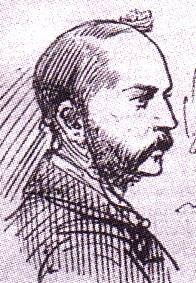
Frederick George Abberline was a British chief inspector for the London Metropolitan Police.
He is best known for being a prominent police figure in the investigation into the Jack the Ripper serial killer murders of 1888.
When he retired he moved to Springbourne, Holdenhurst Road.
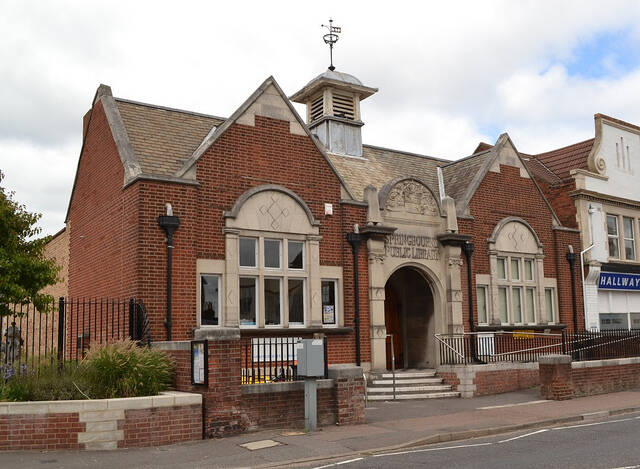
Springbourne Library: Opened on March 27, 1909, it was one of the four Bournemouth libraries funded by a £2,000 grant from philanthropist Andrew Carnegie.

Springbourne also has a Transatlantic Connection and Victoria Road where the Workman's cottages are situated is just a stone's throw from the unique network of American President-themed avenues in Springbourne (such as Washington, Garfield, and Grant avenues). Laid out like a grid.
The Temperance Movement Hub
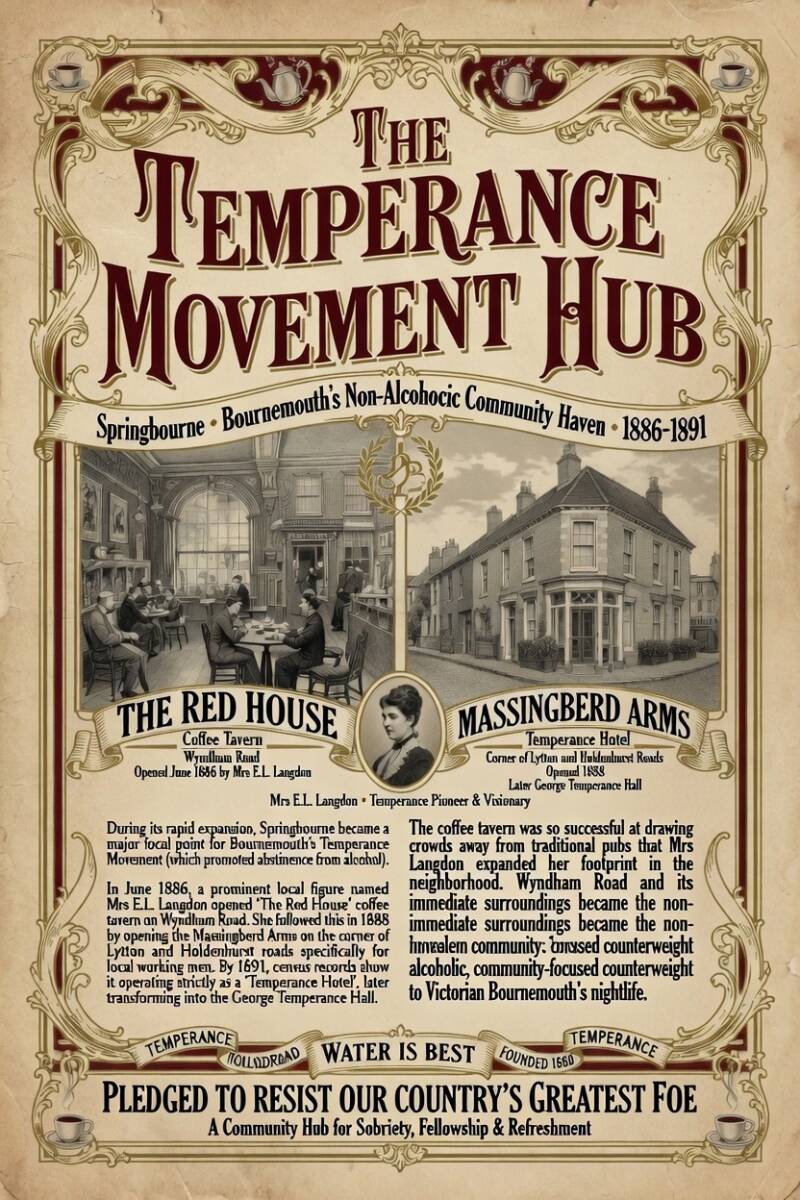
During its rapid expansion, Springbourne became a major focal point for Bournemouth’s Temperance Movement (which promoted abstinence from alcohol).
In June 1886, a prominent local figure named Mrs E.L. Langdon opened 'The Red House' coffee tavern on Wyndham Road. She followed this in 1888 by opening the Massingberd Arms on the corner of Lytton and Holdenhurst roads specifically for local working men. By 1891, census records show it operating strictly as a "Temperance Hotel", later transforming into the George Temperance Hall.
"The Workman's Cottages website beautifully captures the essence of Springbourne's past. A truly insightful and well-researched journey through history."
Dr. Eleanor Vance, Local Historian
Create Your Own Website With Webador